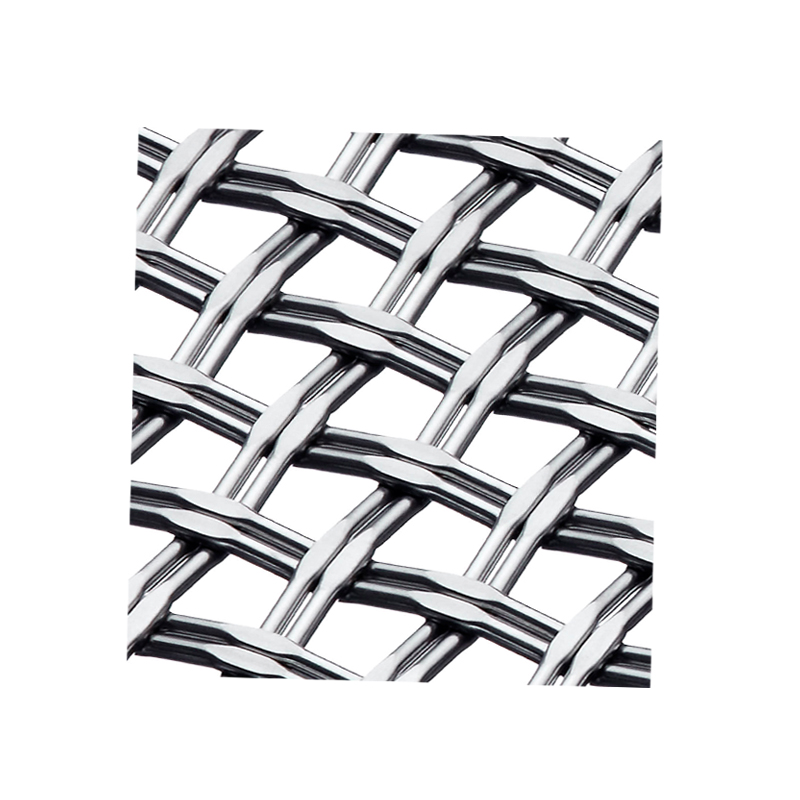
1. Glass rope, made by twisting glass fibers together, can be hailed as the "king of ropes."
Because glass rope is resistant to seawater corrosion and does not rust, it is highly suitable for use as ship mooring lines and crane hoisting cables. While synthetic fiber ropes are strong, they melt at high temperatures; glass ropes, however, are unaffected by heat, making them exceptionally safe for use by rescue personnel.
2. Through further processing, glass fibers can be woven into a wide variety of glass fabrics—collectively known as "glass cloth."
Glass cloth is resistant to both acids and alkalis, making it an ideal material for filter cloths in chemical plants. In recent years, many factories have adopted glass cloth to replace cotton and burlap for manufacturing packaging bags. These bags are resistant to mold, rot, moisture, and corrosion; they are durable and highly popular.
3. Glass fiber is both electrically insulating and heat-resistant, making it an outstanding insulation material.
Currently, the majority of electric motor and electrical appliance manufacturers in my country use glass fiber extensively for insulation. A single 6,000-kilowatt steam turbine generator may contain over 1,800 insulating components made from glass fiber! The use of glass fiber for insulation improves motor performance, reduces motor size, and lowers production costs—a true "three-in-one" benefit.
4. Another important application of glass fiber is its use in combination with plastics to create various glass-fiber composite materials.
For instance, by impregnating layers of glass cloth with molten plastic and molding them under pressure, the well-known material "glass-fiber reinforced plastic" (often called fiberglass or FRP) is produced. This material is tougher than steel, rust-proof, and corrosion-resistant, yet it weighs only one-quarter as much as an equivalent volume of steel.
Consequently, using it to manufacture the hulls of ships and the bodies of cars and trains—as well as machinery parts—not only saves vast amounts of steel but also significantly increases payload capacity by reducing the vehicle's own weight.